

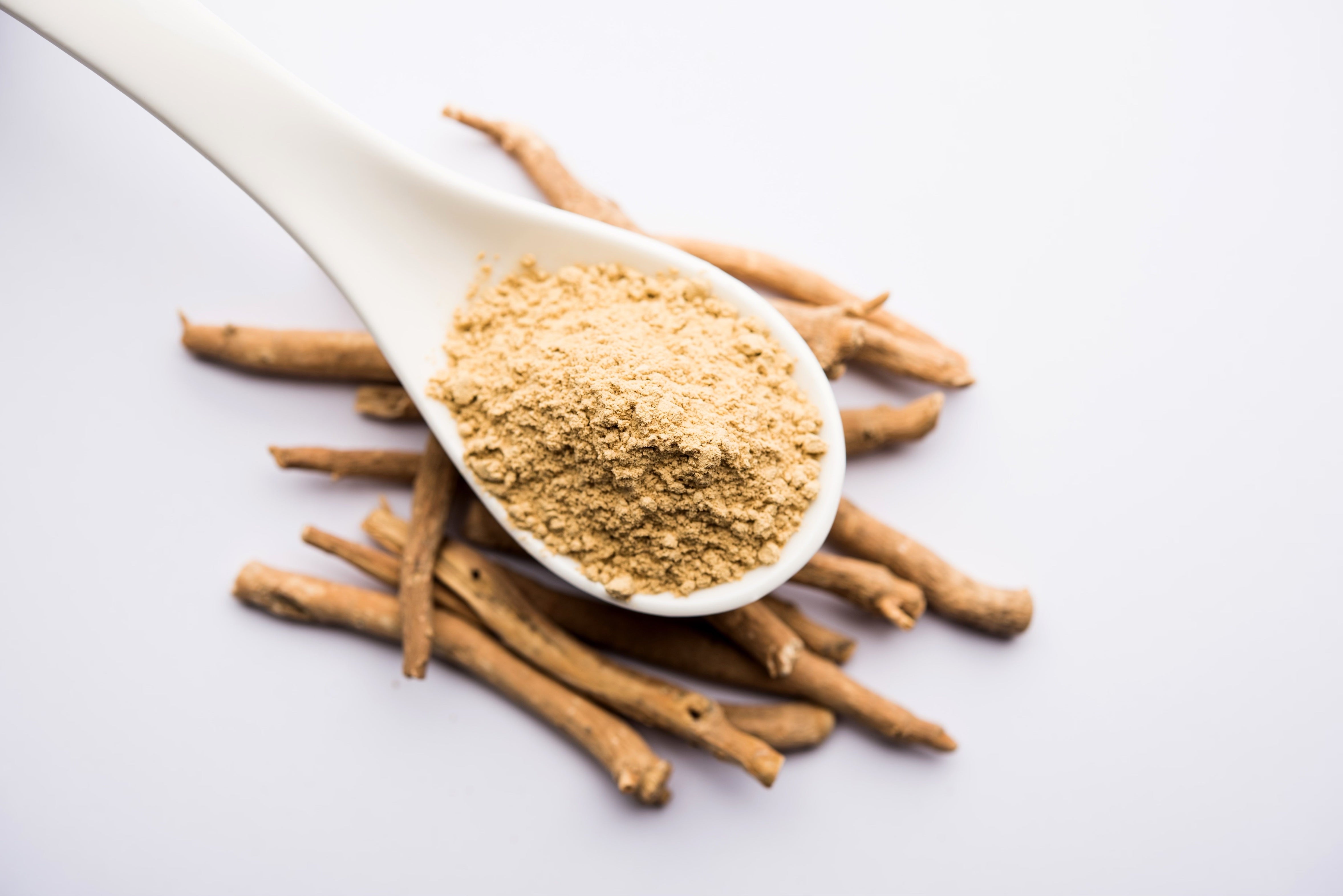
Ashwagandha is a time-tested adaptogen that has been used for thousands of years in Ayurvedic medicine. Recent research confirms this herb helps lower cortisol levels and supports the body's stress response, making it particularly relevant for modern wellness. Scientific studies continue to reveal that while ashwagandha offers benefits for everyone, certain effects are especially impactful for women's health and wellbeing.
If you're looking for a natural approach to support multiple areas of your health, understanding what ashwagandha can—and cannot—do is essential. Here's what current research tells us about this powerful adaptogenic herb.
What Is Ashwagandha?
Ashwagandha (Withania somnifera) is an adaptogenic herb, meaning its primary role is to help your body adapt to various forms of stress while working to maintain homeostasis. This stress can arise from physical activity, emotional overwhelm, or health conditions such as elevated blood pressure or metabolic concerns.
The ashwagandha plant is an evergreen shrub native to India, Africa, and parts of the Middle East. Historically, Ayurvedic practitioners used both the roots and leaves for therapeutic purposes—primarily to boost energy, support healthy inflammatory responses, and provide relief from anxiety and discomfort. These traditional uses continue today, now backed by modern scientific research.
Why Ashwagandha Works: The Cortisol Connection
Research demonstrates that ashwagandha produces statistically significant reductions in cortisol levels, the hormone your body releases in response to stress. When cortisol remains chronically elevated, it can contribute to increased blood sugar and blood pressure levels, along with heightened risk for metabolic concerns, cardiovascular issues, and weight challenges.
Supporting your body's ability to handle stress and return to balance is critical for overall health. This is particularly important for women, as studies indicate that women report stress levels approximately 25 percent higher than men on average. Furthermore, levels of stress, anxiety, and emotional strain in women have reached decade-high levels, largely due to the combined demands of caregiving responsibilities and professional workloads.
It's more important than ever for women to prioritize their stress response—which is why understanding ashwagandha's specific benefits for women is so valuable.
Top 4 Ashwagandha Benefits for Women
What does current research reveal about ashwagandha's effects on women's health? Here are the primary benefits supported by scientific evidence.
1. Supports Healthy Stress Response and Lowers Cortisol
Multiple clinical trials demonstrate that ashwagandha supplementation significantly reduces stress and cortisol levels. Studies examining various dosages have found consistent results: participants who took ashwagandha daily experienced measurable improvements in their stress markers.
Research shows that doses of 300 to 600 mg of standardized ashwagandha root extract daily can help reduce perceived stress, with some studies reporting improvements of up to 30 percent or more. This makes ashwagandha particularly relevant for women experiencing high stress levels.
2. Promotes Feelings of Calm and May Support Anxiety Management
An estimated 264 million people worldwide experience anxiety disorders, and women are diagnosed at nearly twice the rate of men. Women also report experiencing anxiety symptoms approximately 80 percent more frequently than men.
Clinical studies show ashwagandha produces significant reductions in anxiety according to validated assessment scales. The mechanism appears to be related to ashwagandha's ability to modulate stress hormones and potentially activate GABA receptors, which promote relaxation and calm.
While ashwagandha shows promise for supporting emotional wellbeing, it's important to note that it should complement—not replace—professional mental health support when needed.
3. Supports Sleep Quality and Duration
Research indicates that ashwagandha extract can improve several aspects of sleep, including sleep quality, efficiency, total sleep time, and the time it takes to fall asleep. These benefits appear to be most pronounced in individuals experiencing sleep difficulties.
Studies have shown that ashwagandha administration can significantly improve sleep quality in people experiencing insomnia symptoms. One study found improvements of 72 percent in sleep quality measures among participants taking ashwagandha compared to 29 percent in the placebo group. Researchers believe this effect relates to ashwagandha's ability to activate GABA pathways, the neurotransmitter system that promotes sleep.
4. Enhances Energy, Focus, and Cognitive Function
Beyond promoting better sleep, ashwagandha has been studied for its effects on mental clarity and energy levels. Clinical trials have demonstrated that both men and women taking ashwagandha experienced improvements in athletic performance, including better cardiorespiratory endurance.
Research also suggests that ashwagandha may support cognitive functions including reaction times, attention span, and memory. These effects on mental clarity and energy make ashwagandha particularly appealing for women managing multiple responsibilities.
Additional Ashwagandha Benefits: Hair, Skin, and Body Composition
Emerging research suggests ashwagandha may offer benefits beyond stress management. Studies have linked ashwagandha intake to increased levels of DHEA, a hormone associated with healthy hair growth and potentially helping to counter hair loss.
Additionally, research has associated ashwagandha with improved cellular renewal processes and increased collagen production, which may benefit both scalp health (supporting hair growth) and skin health. Some studies have also indicated that ashwagandha may support healthy body composition by helping to manage stress-related eating and promoting fat metabolism.
How to Use Ashwagandha: Dosing and Forms
An international taskforce provisionally recommends daily doses of 300 to 600 mg of ashwagandha root extract standardized to 5 percent withanolides for stress and anxiety support, though they note more research is needed for stronger recommendations.
Research has examined various ashwagandha preparations:
- Root-only extracts
- Combined root and leaf extracts
- Standardized withanolide concentrations ranging from 1.5% to 5%
When considering ashwagandha, look for products that clearly state:
The plant part used (root, leaf, or both)
- Standardization levels (withanolide percentage)
- Third-party testing for purity and quality
- Recommended dosage based on research
Important Safety Considerations
While ashwagandha has been used safely by millions of people, recent reports have raised important safety considerations:
Liver Health Concerns
Although rare, cases of liver injury have been reported in association with ashwagandha-containing supplements. Most severe cases have occurred in individuals with pre-existing liver conditions, though some cases have involved previously healthy individuals.
Research comparing different ashwagandha preparations suggests that root-only products may have a superior safety profile compared to products containing both leaves and roots, particularly regarding liver effects. However, it's important to note that many commercial products contain multiple ingredients, making it difficult to determine the exact cause of adverse reactions.
Who Should Avoid Ashwagandha
Ashwagandha is not appropriate for everyone. You should avoid ashwagandha if you:
Are pregnant or breastfeeding
- Have liver disease or cirrhosis
- Have an upcoming surgery scheduled
- Have been diagnosed with autoimmune disorders
- Have thyroid conditions
- Take medications for diabetes, blood pressure, or immune suppression
- Have hormone-sensitive prostate concerns
Common Side Effects
Most people tolerate ashwagandha well, but some individuals may experience:
- Digestive discomfort or upset stomach
- Drowsiness
- Diarrhea
- Mild headaches
Always consult your healthcare provider before starting ashwagandha, especially if you have existing health conditions or take medications. Your doctor can help determine if ashwagandha is appropriate for your individual situation and can monitor for any potential interactions or adverse effects.
The Bottom Line on Ashwagandha for Women
Ashwagandha is an adaptogenic herb with thousands of years of traditional use and a growing body of modern research supporting its benefits. Current evidence suggests ashwagandha may help:
- Support healthy stress response and lower cortisol levels
- Promote feelings of calm and support anxiety management
- Improve sleep quality and duration
- Enhance energy, focus, and cognitive function
- Support hair, skin, and body composition goals
While research continues to emerge, it's clear that ashwagandha offers promising benefits particularly relevant to women's health concerns. However, it's not a cure-all, and recent safety reports underscore the importance of using high-quality products and consulting with healthcare providers.
If you're considering ashwagandha, choose certified organic products from reputable manufacturers that use root-only extracts and provide clear standardization information. Most importantly, work with your healthcare provider to ensure ashwagandha is safe and appropriate for your individual health needs.
Remember: supplements work best as part of a comprehensive approach to wellness that includes stress management techniques, quality sleep, balanced nutrition, and regular physical activity.

 Hassle-Free 90 Day Returns