

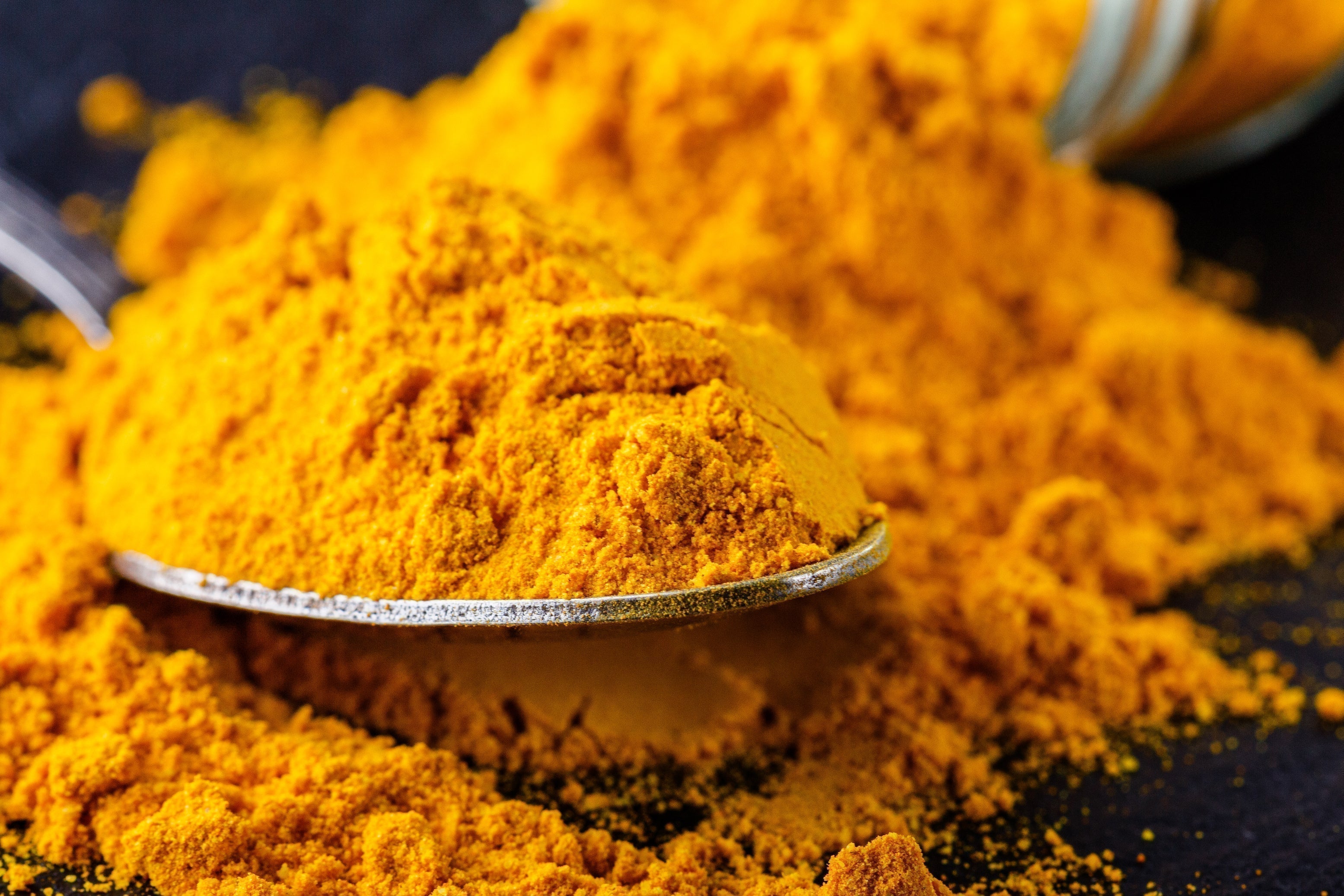
I still remember the first time I truly understood the power of turmeric. I was wandering through a farmer's market in India, surrounded by stalls piled high with vivid orange roots, when a vendor told me it was the most treasured plant in his family's kitchen - and medicine cabinet. That moment changed how I thought about food.
Since then, turmeric has become a non-negotiable part of my daily wellness ritual. And with thousands of published studies now backing up what traditional healers have known for centuries, I think it deserves a permanent spot in yours too.
So what does the science actually say? Let's dig in.
What Is Turmeric?
Turmeric is the bright golden-orange spice that comes from the root of Curcuma longa, a plant in the ginger family native to South and Southeast Asia. It's been a cornerstone of Ayurvedic and traditional Chinese medicine (TCM) for over 2,000 years, historically used to support skin health, joint comfort, digestion, and respiratory wellness.
Today, turmeric is one of the most researched botanicals on the planet. Nearly 20,000 scientific papers on its key compound, curcumin, have been published in peer-reviewed journals - and interest is only growing.
What Is Curcumin?
Curcumin is the primary active polyphenol in turmeric, responsible for that signature golden color and most of the plant's well-documented wellness properties. It works at the cellular level, influencing multiple biological pathways related to inflammation, antioxidant activity, and more.
One important caveat: curcumin is naturally fat-soluble and has low bioavailability on its own, meaning the body doesn't absorb it easily. More on that - and how to get around it - below.
6 Turmeric Benefits Supported by Research
1. Supports a Healthy Inflammatory Response
Of all the turmeric benefits studied, its role in supporting a balanced inflammatory response is the most well-documented. Curcumin has been shown to influence several key molecules involved in the body's normal inflammatory process.
Research suggests it may be particularly active in the gut: when absorbed, curcumin tends to concentrate in the gastrointestinal tract, where it may help support the intestinal barrier and a healthy gut microbiome. Studies also indicate that curcumin is among a small number of compounds capable of crossing the blood-brain barrier, suggesting it may support normal neurological function as well.
Research note: A 2025 umbrella review published in Frontiers in Pharmacology, analyzing meta-analyses through mid-2024, confirmed curcumin's well-established anti-inflammatory and antioxidant properties.
2. May Help Support Cardiovascular Wellness
Heart health is one of the most active areas of curcumin research. Studies suggest that curcumin may help support the normal function of the endothelium - the lining of your blood vessels - and may help maintain already-healthy cholesterol and triglyceride levels within normal ranges.
It's worth noting that diet, movement, and medical care are the cornerstones of cardiovascular health. Turmeric is best viewed as a complementary wellness tool, not a replacement for medical guidance.
3. May Help Maintain Healthy Blood Sugar Levels Already in the Normal Range
Keeping blood sugar balanced is a priority for many people - especially as we get older. Research suggests curcumin may support insulin sensitivity and healthy glucose metabolism, which in turn supports energy levels, weight management, and how your body ages from the inside out.
Important: If you take medication for blood sugar management, consult your healthcare provider before adding a turmeric supplement to your routine, as curcumin may affect how certain medications work.
4. Supports Joint Comfort and Mobility
This is one of the most practically exciting areas of turmeric research - and one that resonates deeply with many of my readers. A systematic review and meta-analysis found that 8–12 weeks of standardized turmeric extract (typically around 1,000 mg/day of curcumin) was associated with meaningful improvements in joint comfort and mobility, with results comparable to some common OTC pain relievers in study populations.
Clinical practice guidelines in some regions now recognize curcumin as one of the most commonly recommended supplements for supporting joint health.
Whether you're dealing with the normal wear-and-tear of an active lifestyle or the stiffness that comes with getting older, turmeric may offer meaningful, natural support.
5. Supports a Calm, Balanced Mood
This one surprises people - but the mind-body connection with turmeric is real. Research suggests that curcumin may support the body's natural production of serotonin and dopamine, two key neurotransmitters involved in mood regulation. Studies have also explored its potential role in supporting emotional resilience and normal stress response.
A clinical trial in healthy adults aged 60–85 found that a single dose of a curcumin formulation was associated with improvements in sustained attention and working memory, while chronic supplementation was linked to better scores on mood and fatigue measures. More research is ongoing, but the early signals are encouraging.
6. Supports Liver Health and the Body's Natural Detox Processes
Your liver is quietly doing some of the most important work in your body - filtering the blood, metabolizing nutrients, supporting healthy fat digestion, and storing key vitamins like A, D, E, K, and B12. Keeping it healthy matters.
Turmeric's antioxidant and anti-inflammatory properties have led researchers to explore its potential role in supporting healthy liver function. While this is an evolving area of research, the existing evidence is promising for anyone focused on whole-body wellness.
How to Add Turmeric to Your Daily Routine
In the Kitchen
Turmeric is wonderfully versatile. A few easy ways to use it daily:
- Golden milk latte: Warm plant-based milk + 1 tsp turmeric + a pinch of black pepper + honey and cinnamon to taste
- Smoothies and bowls: A small scoop adds color and a mild, earthy flavor
- Soups, grain bowls, and roasted vegetables: Turmeric pairs naturally with warming spices like ginger and cumin
- Turmeric tea: Simply steep in hot water with lemon and ginger
Pro tip: Always combine turmeric with a healthy fat (like coconut oil or olive oil) and black pepper - both significantly enhance curcumin absorption.
In Supplement Form
While cooking with turmeric is great for daily habit-building, it's difficult to reach the curcumin concentrations studied in most research trials through food alone. Turmeric powder typically contains only 2–9% curcumin; high-quality supplements can deliver standardized extracts with up to 95% curcuminoids.
If you're looking to experience turmeric's more targeted wellness benefits, a well-formulated supplement is worth considering. The key things to look for:
- Standardized curcuminoid content (look for at least 95% curcuminoids)
- Enhanced bioavailability - ideally with BioPerine® (patented black pepper extract shown to increase curcumin absorption) or another clinically studied absorption enhancer
- Quality sourcing and third-party testing
Our Recommended Turmeric Supplement
For a high-potency, bioavailability-optimized option, I recommend Turmeric Curcumin High Potency. It delivers 1,200 mg of pure turmeric root extract standardized to a minimum of 95% curcuminoids, and is enhanced with BioPerine® to maximize absorption. It's what I use personally - and it's what I feel confident recommending.
Turmeric Safety & What to Know Before You Start
Turmeric is recognized as Generally Recognized as Safe (GRAS) by the FDA, and is well-tolerated by most people. That said, a few things to keep in mind:
- High doses may cause digestive discomfort in some people
- Medication interactions: Turmeric may interact with blood thinners, certain pain relievers, immunosuppressants, and some chemotherapy agents - always check with your doctorBlood sugar medications: As noted above, monitor levels if you're taking diabetes medications
- Pregnancy and nursing: Consult your healthcare provider before using turmeric supplements
- Kidney stones: Those with a history of kidney stones should speak with a doctor before supplementing
Frequently Asked Questions About Turmeric
What are the main benefits of taking turmeric?
Turmeric - and specifically its active compound curcumin - may help support a healthy inflammatory response, joint comfort and mobility, cardiovascular wellness, healthy blood sugar levels already within normal range, balanced mood, and liver health. Most of these benefits are linked to curcumin's antioxidant and anti-inflammatory properties.
How much turmeric should I take daily?
Most research studies use curcumin doses in the range of 500–1,500 mg per day from standardized turmeric extract. For general wellness, consult your healthcare provider to determine what's appropriate for you.
Is turmeric better in food or supplement form?
Both have value. Cooking with turmeric is a great way to build a daily habit and get whole-food phytonutrients. For more targeted support at studied dose levels, a standardized supplement with an absorption enhancer (like BioPerine®) is more effective.
Does turmeric absorb better with black pepper?
Yes. Piperine, the active compound in black pepper, has been shown to increase curcumin absorption by a significant margin. Look for this combination in supplements, or add a pinch of black pepper when using turmeric in cooking.
Who should not take turmeric supplements?
People taking blood thinners, certain pain relievers, immunosuppressants, or diabetes medications should consult their doctor before supplementing. Those who are pregnant, nursing, or have a history of kidney stones should also seek medical advice first.
Is turmeric safe to take every day?
For most healthy adults, daily turmeric intake - whether through food or supplementation at normal doses - is considered safe. High-dose supplementation over long periods is less studied; always follow label guidance and consult your healthcare provider.

 Hassle-Free 90 Day Returns