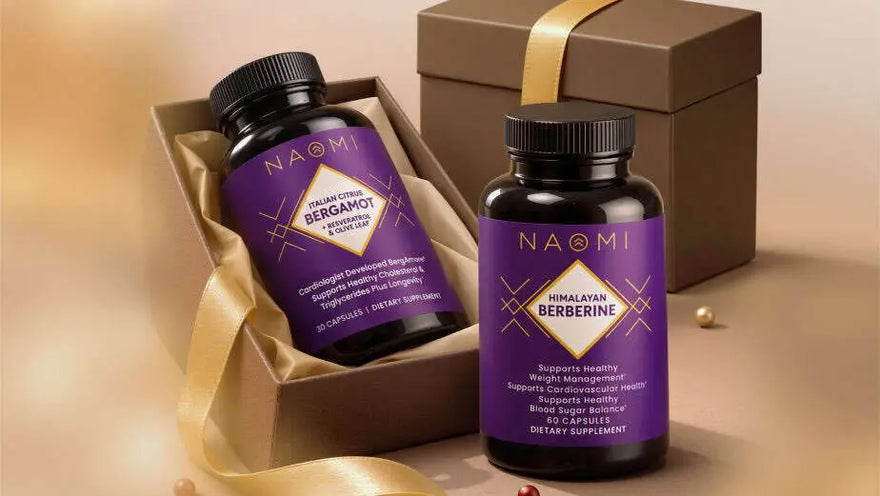

You read about bergamot, you understood why it is one of the most promising plant compounds for heart and metabolic health. What almost no one tells you is that the word bergamot on the front of a label does not guarantee you are getting the plant clinically studied to support your health. A translation mix-up combined with the simple economics of using a cheaper fruit, some products labeled bergamot may contain something else entirely that does not carry the compounds that made bergamot worth taking in the first place. I want to walk you through exactly how this happens, so you never waste your money or your hope on a bottle that cannot deliver.
Not All Bergamot Is the Same Plant
True bergamot is a specific citrus called Citrus bergamia, a fragrant natural hybrid grown almost entirely along the Calabrian coast of southern Italy. It is where the fruit with the studied chemistry actually comes from and trouble is that the name bergamot gets attached to other plants that have nothing to do with it.
The most striking example is Buddha’s Hand, a fingered citron whose botanical name is Citrus medica. According to the citrus research collection at the University of California, its Chinese name is often mistranslated as bergamot, even though true bergamot is a completely different species. Buddha’s Hand is a beautiful, aromatic fruit, but it is mostly rind with little or no pulp, it is cheaper to source, and it does not contain bergamot’s signature polyphenol profile. When a citron like this is used in a product and simply called bergamot, the name on the label is technically a mix-up and functionally a problem, because you are not getting the researched compound at all.
The Seven Compounds That Make Bergamot Work
Here is the part that matters most. The benefits you read about with bergamot did not come from the fruit’s name or its scent. They came from a specific, standardized polyphenol fraction of Citrus bergamia, rich in a particular set of seven flavonoids that matter most.
| Polyphenol | Why it matters |
| Brutieridin | Nearly unique to Citrus bergamia, studied for gently influencing the same enzyme statins act on |
| Melitidin | The other near-exclusive bergamot compound, paired with brutieridin in the research |
| Naringin | A major bergamot flavonoid with antioxidant activity |
| Neohesperidin | One of the signature flavonoids in the studied extract |
| Neoeriocitrin | A key antioxidant flavonoid in genuine bergamot |
| Apigenin | A flavone studied for antioxidant and anti-inflammatory support |
| Luteolin | A flavone that rounds out the researched polyphenol profile |
Brutieridin and melitidin are the detail that gives the game away. They are found in meaningful amounts almost nowhere else in nature except Citrus bergamia. A citron like Buddha’s Hand, or a generic unstandardized citrus extract, simply does not carry them. So if those compounds are not in your bottle, the single most valuable thing about bergamot is not in your bottle either.
Why a Cheaper Look-Alike Gives You Nothing
Every validated study on bergamot used a standardized extract that guaranteed a certain level of these polyphenols. The results belong to that extract, not to the word on the label. A cheaper substitute, or a product that cannot tell you its polyphenol content, is not a budget version of the same thing. You would not expect to get the benefits of green tea from a cup of hot water that happened to be green. Bergamot is no different, without the studied polyphenols you are paying for a promise the ingredient cannot keep.
What Independent Testing Revealed
When our team bought several competing bergamot products and sent them to an independent lab, the results were sobering. Across the key compounds that define real bergamot, several products came back with non-detectable polyphenols. In other words, the active chemistry that the entire bergamot story rests on was effectively absent. You can see what that testing looked like in the lab results we published. It is the clearest illustration I know of why the source and the standardization matter more than the price.
How to Tell If Your Bergamot Is Real
You do not need a chemistry degree to protect yourself. A few simple checks on the label will tell you most of what you need to know.
• Look for Citrus bergamia and an Italian origin. Genuine bergamot traces to Calabria, Italy. Vague sourcing or a plain citrus name is a red flag.
• Demand a polyphenol percentage. A real standardized extract states its polyphenol content, often around 38 percent or higher. That number is the whole point.
• Be wary of ratio-only labels. A label that only says something like 25 to 1 or 5 to 1 tells you about concentration, not about the polyphenols that actually matter.
• Ask whether it matches the studied form. The research was done on a specific standardized fraction. A generic or unstudied extract does not inherit those results.
• Look for third-party testing. Independent verification, a certificate of analysis, or an authenticity code shows a company has nothing to hide.
THE BOTTOM LINE
Bergamot is one of the plant compounds I believe in most, which is exactly why it troubles me to see the name stretched over cheaper fruits that cannot do the job. The research belongs to a genuine, standardized Citrus bergamia extract from Calabria, rich in the polyphenols that make it special. Everything else is just a label. Before you trust a bergamot with your heart health, make sure it can tell you what is really inside, and that it matches the form the science was built on. You did the homework, make sure the bottle lives up to your expectations.
With warmth,
Naomi
References
1. University of California Riverside, Citrus Variety Collection. Buddha’s Hand citron (Citrus medica var. sarcodactylis): the Chinese name is often mistranslated as bergamot. citrusvariety.ucr.edu
2. Naomi Whittel. Independent lab testing of bergamot supplements and the markers of a genuine standardized extract. naomiw.com
3. Di Donna L, et al. Statin-like principles of bergamot (Citrus bergamia): isolation of 3-hydroxymethylglutaryl flavonoid glycosides brutieridin and melitidin. J Nat Prod and related phytochemistry literature.
4. Mollace V, et al. Hypolipemic and hypoglycaemic activity of bergamot polyphenols: standardized Citrus bergamia extract. Fitoterapia. 2011;82(3):309-316, and subsequent trials.
These statements have not been evaluated by the Food and Drug Administration. This product is not intended to diagnose, treat, cure, or prevent any disease. This article is for educational purposes and is not a substitute for medical advice. Consult your healthcare provider before beginning any new supplement, especially if you are pregnant, nursing, or taking medication.


 Hassle-Free 90 Day Returns